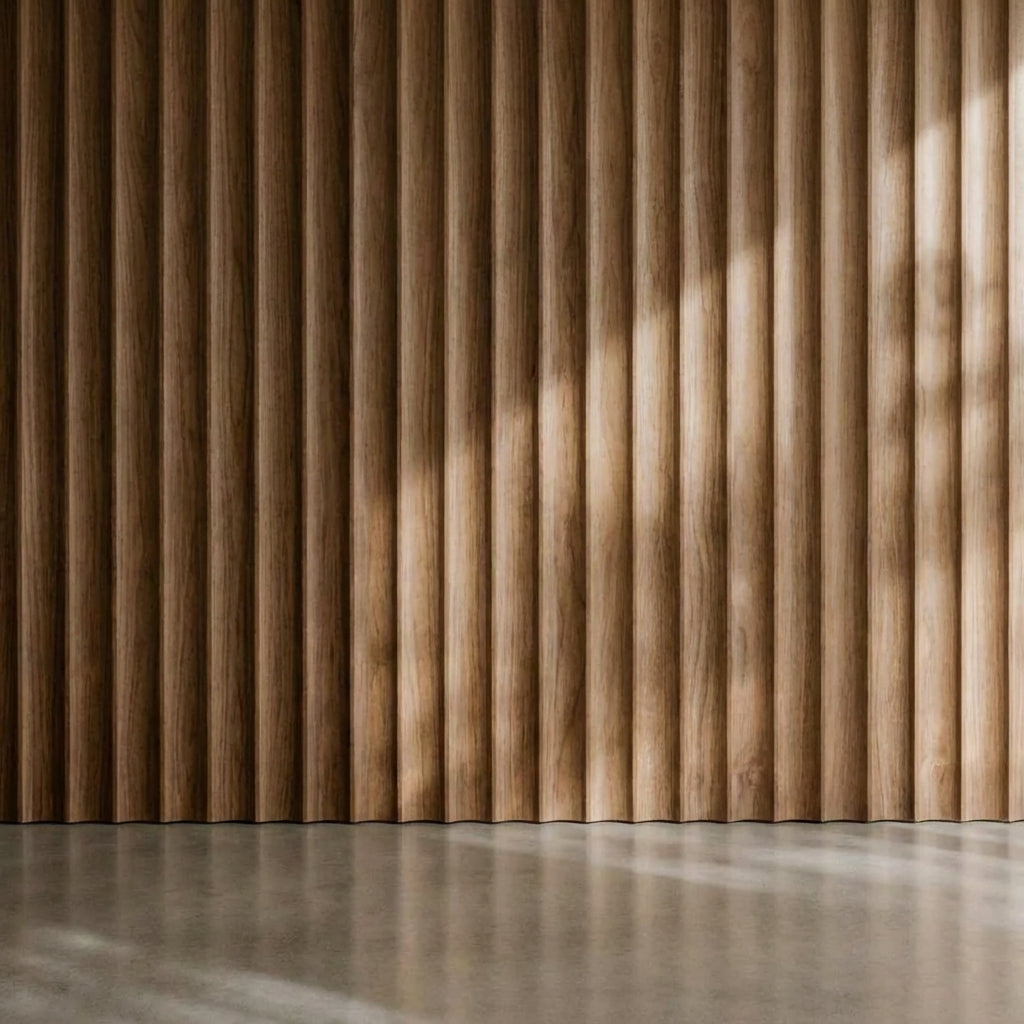
One of the most useful lessons in architectural design is this. Light should never be an afterthought. How a surface responds to light often matters as much as the material itself. Fluted wall panels, textured surfaces, and curved forms all get much of their character from how they meet light. By planning for light early in the design process, architects can create interiors that feel richer, more dynamic, and more memorable.
The best architectural surfaces are not defined only by what they are made from. They are defined by how they come alive when light touches them.
Frequently Asked Questions
Why is lighting important in architecture? Lighting reveals form, texture, and materiality, and shapes how people perceive and experience a space.
How do fluted wall panels interact with light? The grooves and profiles of fluted panels create highlights and shadows that bring out depth and texture.
Why do curved surfaces look different under light? Curved forms let light move gradually across the surface, creating softer transitions and a greater sense of depth.
What is grazing light? Grazing light sits close to a surface, so it highlights texture by creating shadow across the material.
How can architectural wall panels improve interior design? They add texture, depth, and visual interest, creating surfaces that respond to changing light through the day.
Continue Reading
Explore Bendy Bois panel systems
Why Texture Matters in Interior Architecture
Hospitality Fit-outs Using Curved Materials