APPLICATION GUIDE
Curved Architectural Applications

APPLICATION GUIDE

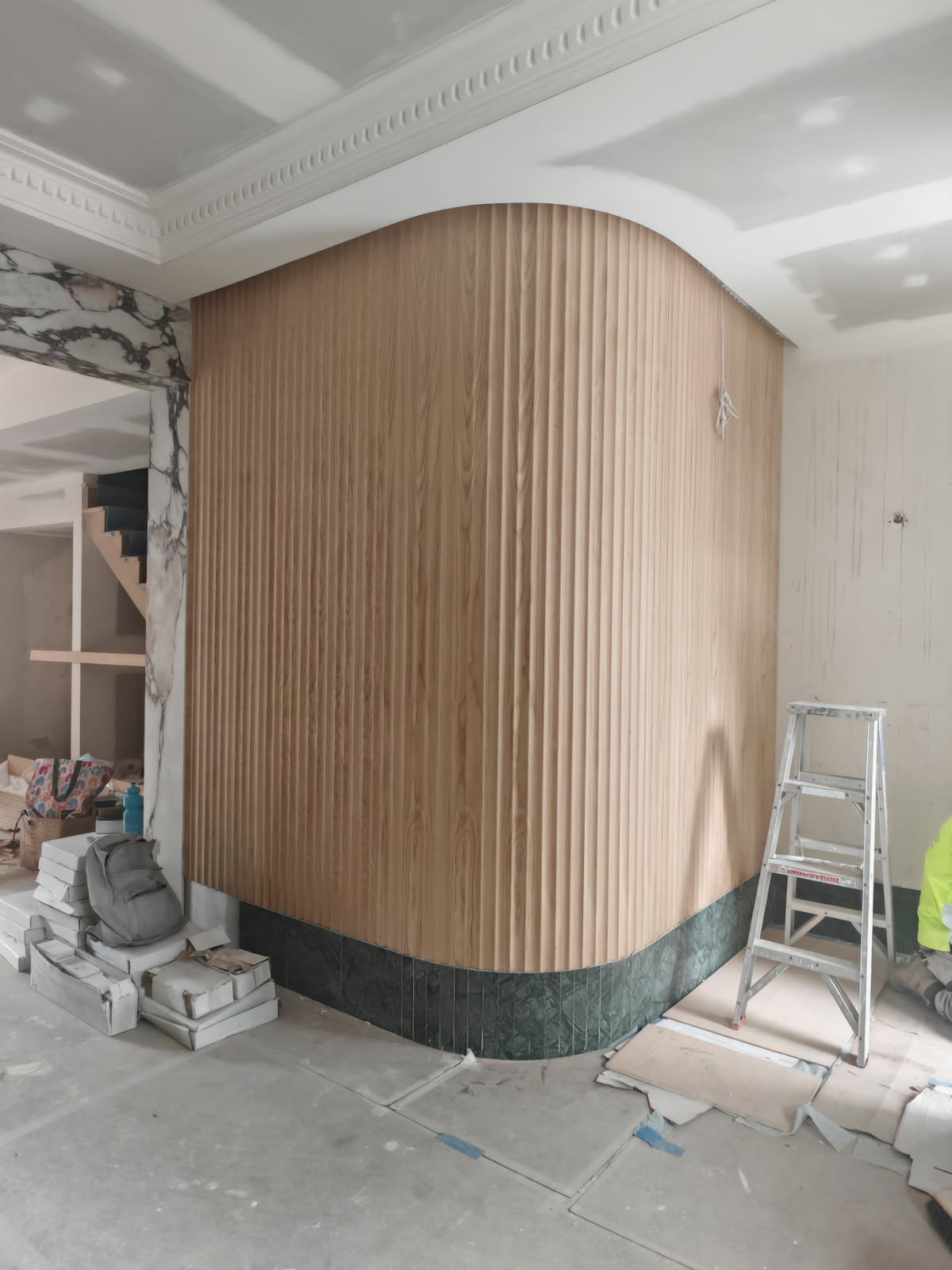
What changes between applications isn't the curve itself, it's what sits underneath it. A kitchen island or reception desk is usually built on a shaped substrate or cabinet, then clad with BendyWood. A feature wall often takes the panel straight onto a gyprock lined frame instead. That difference is what decides the right format and profile, and it's exactly what the table below breaks down application by application.
| Application | Typical build | Ideal Panel Format | Setting |
|---|---|---|---|
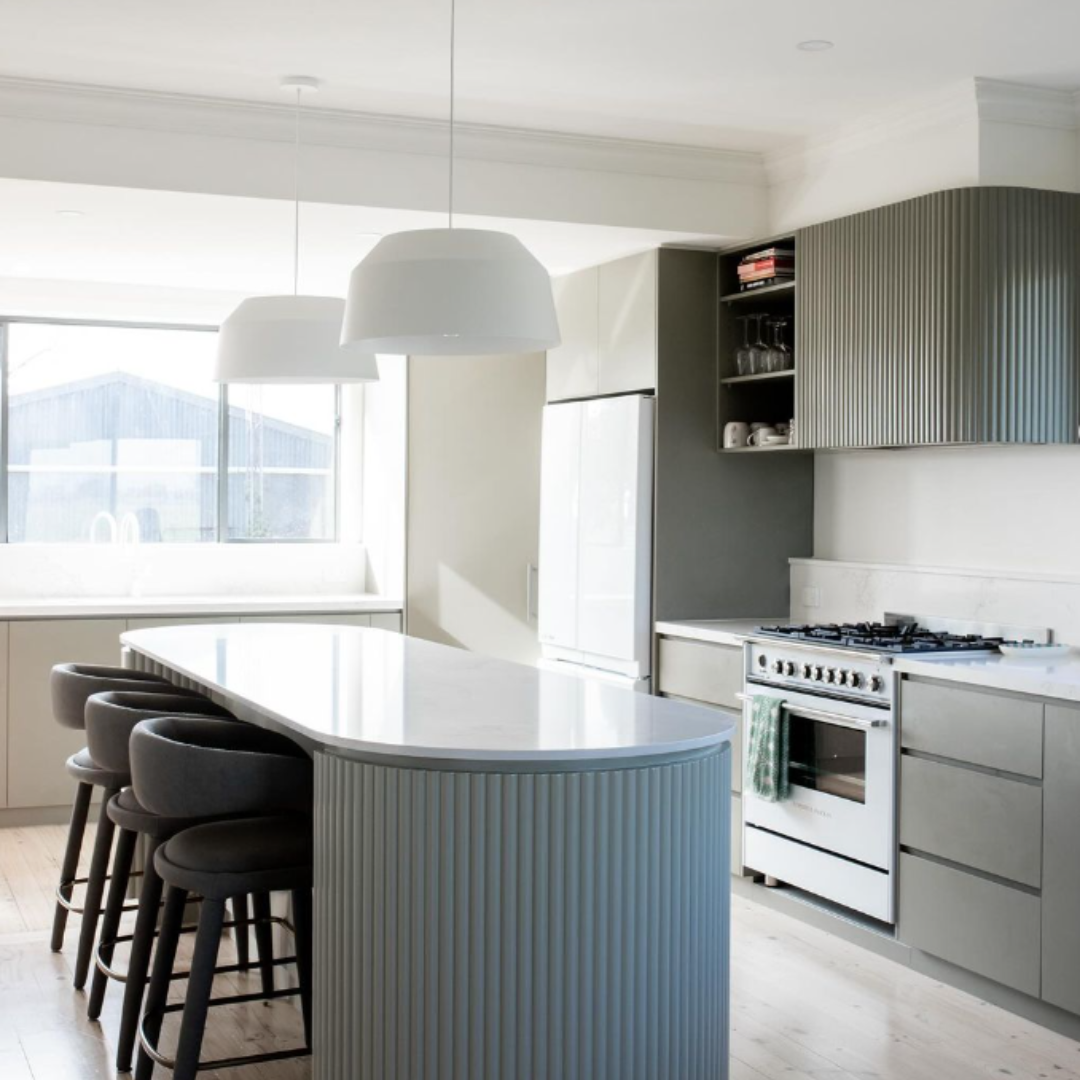
| Kitchen Islands | Shaped cabinetry/frame then BendyWood panels. | Cross Cut Panels - for less joins and a cleaner finish | Residential and workplace kitchens |
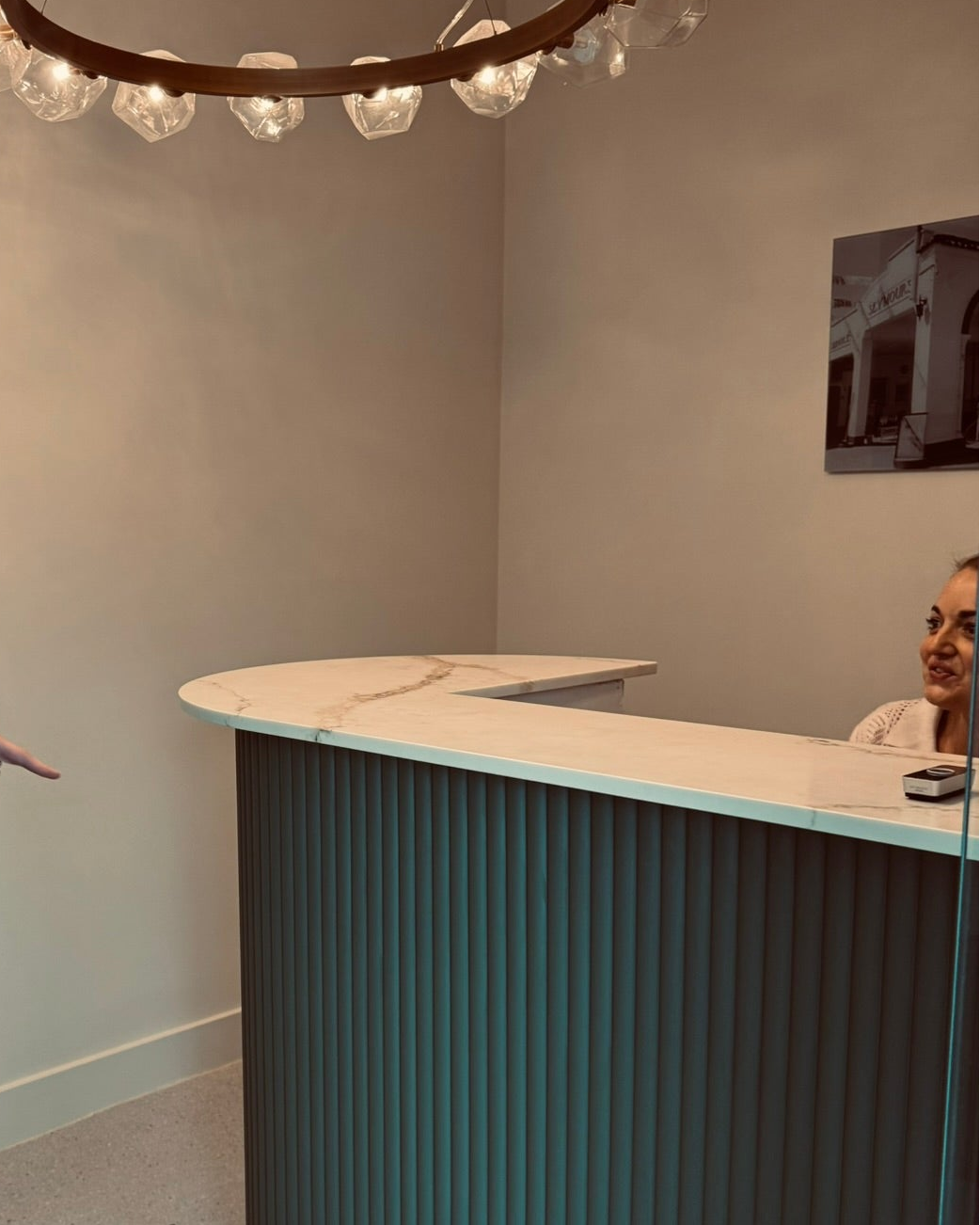
| Reception desks | Curved desk frame lined with flexible plywood, then BendyWood panels. | Cross Cut Panels - for less joins and a cleaner finish | Commercial and medical receptions |
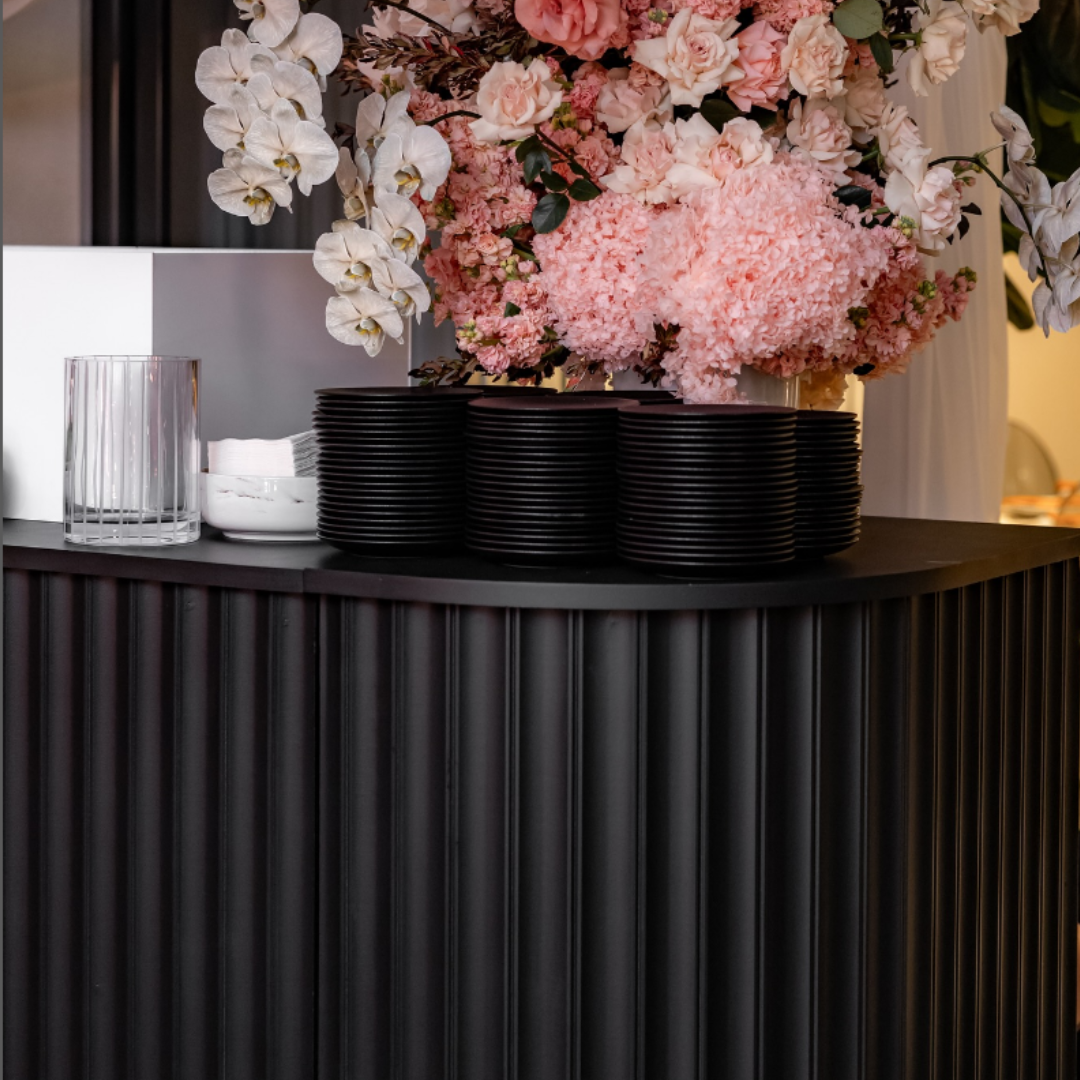
| Hospitality fit-outs | Cabinetry frame or walls lined with gyrock or plywood, then BendyWood Panels. | Wall Panels where is height is required or cross cut panels for bar, cabinetry to reduce joins. | Commercial |
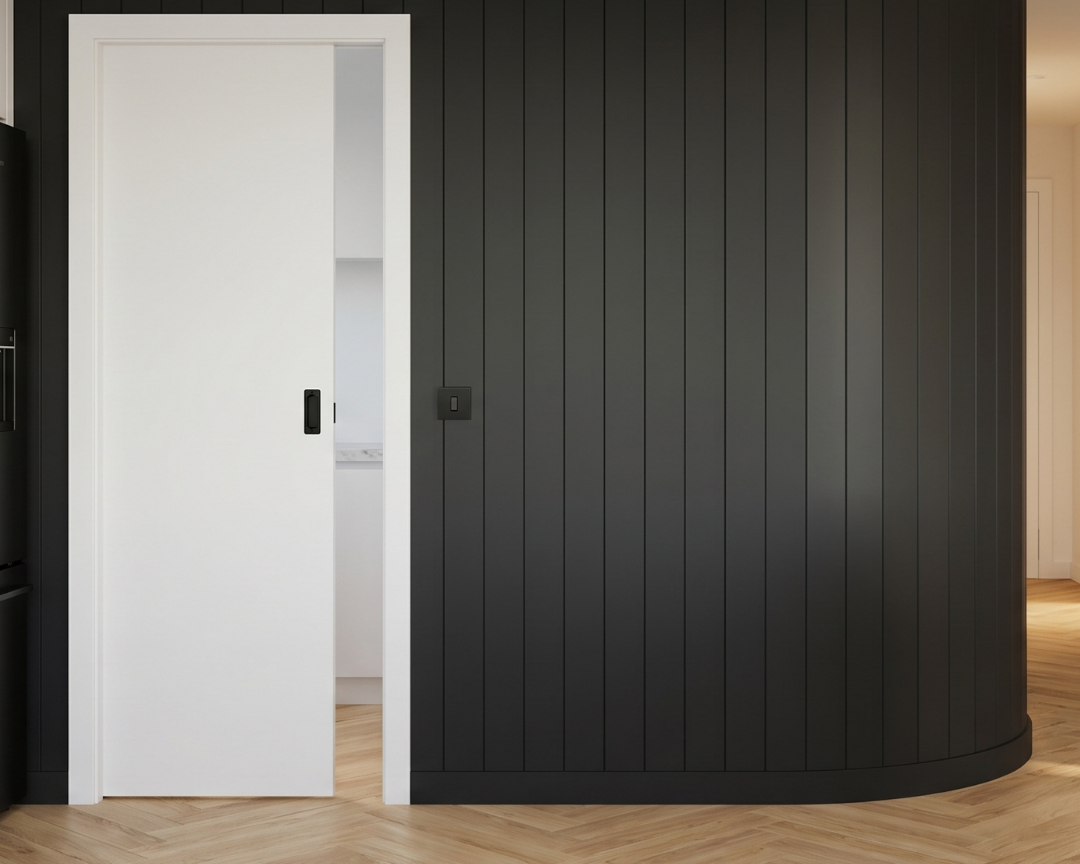
| Feature walls | A solid wall substrate lined with gyrock or plywood, then BendyWood Panels. | Wall Panels to achieve the height of the wall application. | Residential and Commercial |
| Curved Cabinetry & Columns | Cabinet frame or column substrate, then finished with BendyWood panels. | Project height determines panel format. Wall Panels for taller projects. | Cabinet frame or column substrate, then BendyWood panels |
Are you building a kitchen island? Fitting a reception desk? Completing a hospitality fit-out, or making a statement with a feature wall? Read the guides belowe, to help you get it right the first time.

The kitchen island is usually the first place a designer introduces a curve into a home, and for good reason. It's the room's centrepiece, and a curved form changes how the whole kitchen reads without a full redesign

A reception desk sets the tone before anyone says a word. Curved joinery softens the arrival and creates a stronger first impression than a flat counter ever will.

Bars, booths and hotel lobbies all lean on the same effect: a curve makes a space feel considered rather than assembled. In hospitality, where atmosphere is the product, that difference carries more weight than almost anywhere else.

The best feature walls do more than decorate. They shape movement, create focal points, and become part of the architecture itself, not just applied to it.
Frequently Asked Questions
It depends on the structure underneath more than the room itself. Islands and desks are usually built on a shaped substrate, while feature walls work straight off a curved frame. Each guide above covers the specifics.
Yes. Profile choice is about the visual and tactile result, not the application, so the same fluted or half-round profile can run consistently across every surface in a project.
Not usually. Primed, raw or veneer finishes work the same way regardless of application. What changes is exposure, wet areas and high-traffic commercial applications sometimes call for moisture-resistant panels specifically.
It works across all of them. The bend itself doesn't change between a kitchen island and a feature wall, what changes is the substrate and format underneath it.
Not really. Profile choice is a design decision, not a home-versus-commercial one. Fluted and ribbed profiles do show up more in commercial and hospitality projects. That's mostly about texture and light, not the setting itself.
Not Sure Where to Start?
Browse the full BendyWood range, or order a sample pack to see the finish and flex for yourself.