Skip to content

Finishes professionals trust

DESIGN & FINISH GUIDE

How Texture, Light and Finish Choices Impact Architectural Surfaces

Choosing a profile is only part of the decision. Texture, light and finish all influence how a surface looks, feels and performs once it is installed. Across walls, joinery, cabinetry and curved architectural applications, these elements affect depth, shadow, material character and how the surface is experienced in the space.
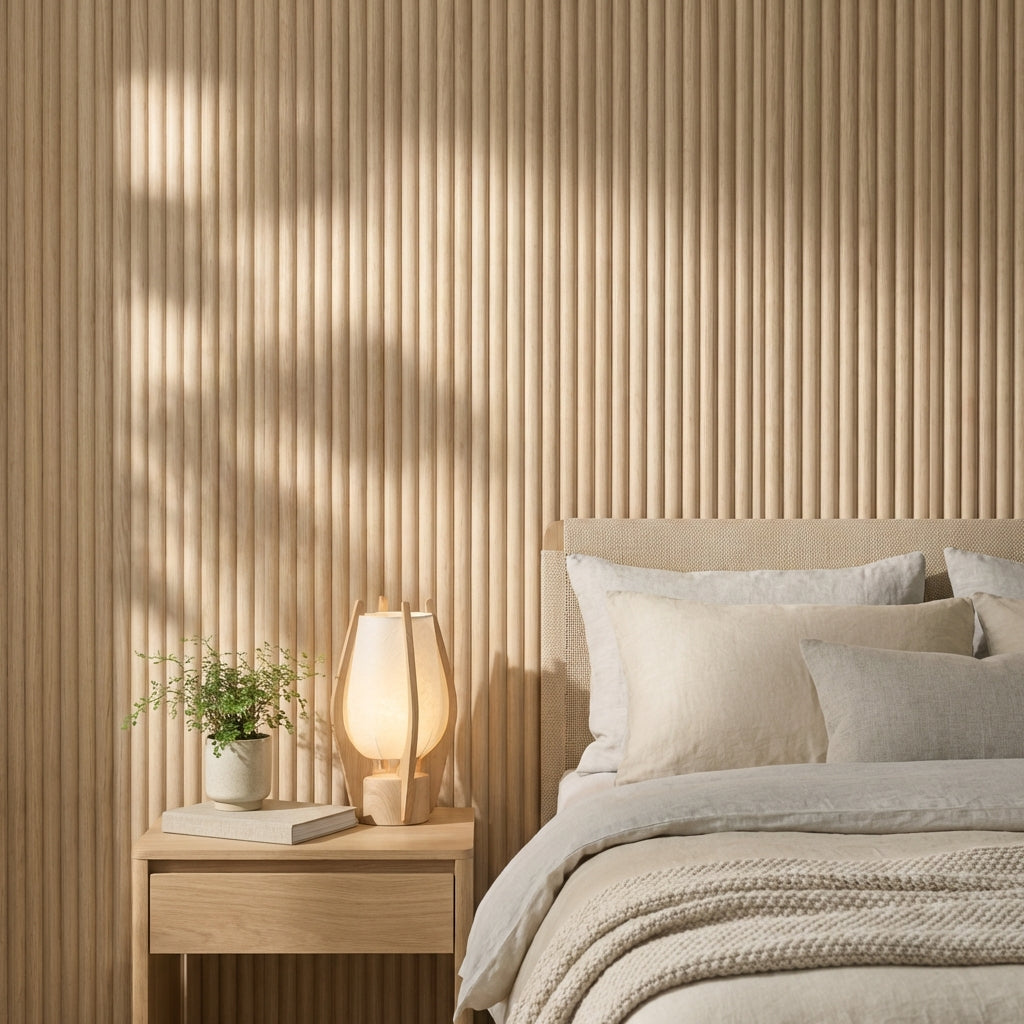
Timber feature wall panels used in a residential interior feature wall design

How Texture and Light Shape a Surface - A profile creates the texture. Light determines how strongly that texture is perceived. Together, they influence depth, rhythm and visual movement across flat and curved surfaces.

Why Texture Matters

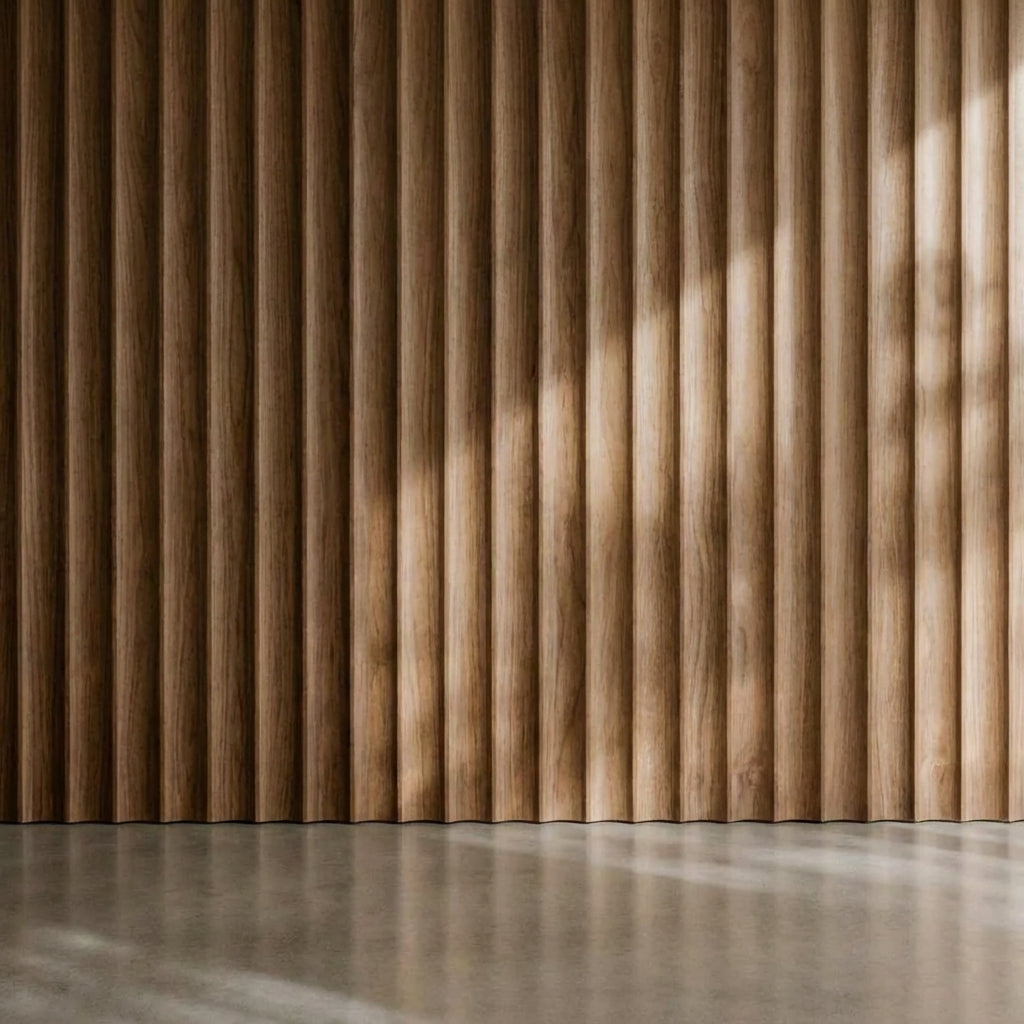
Texture adds depth, rhythm and tactile character. More pronounced profiles create stronger visual movement, while shallower profiles introduce detail without dominating the space.

Common mistake: choosing a profile for its shape alone without considering how it will read at full scale.


How Light Changes Texture

Light creates the highlights and shadows that reveal a surface profile. Directional or grazing light makes texture more pronounced, while soft, even light creates a quieter result.

Common mistake: selecting the profile before considering the lighting direction.

Finished with Finishes

Finish can chnage theoverall character of a panel. Painted finishes create a more uniform architectural finish, wood veneers introduce natural grain and tonal variation.

Common mistake: choosing a finish for colour alone without considering grain, sheen and how the surface will respond to light.

Texture and Light in Practice

Texture creates the form. Light reveals it. Finish determines how the surface ultimately reads within the space. Explore how they both influence the look, feel and performance in real interiors.

Texture
MATERIALITY

Texture

Texture gives a surface depth, rhythm and tactile character. The right profile can make walls, joinery and curved forms feel more integrated with the architecture rather than simply finished on top of it.

Read the guide
Light
LIGHT & SHADOW

Light

Light changes how clearly texture, depth and profile are perceived. Its direction and intensity affect shadow, contrast and the apparent depth of a surface, so lighting and profile selection should be considered together.

Read the guide

New to BendyWood?

Understand the Material

Start with Meet Bendy Bois for a clear introduction to how BendyWood
bends, forms, joins and performs across different applications.

Get the Technical Picture

For specifications, applications and practical considerations, Curved MDF Panels Australia brings the key information together in one place.

Designing with Curves?

See how BendyWood can be used on kitchen islands, reception desks, hospitality fit-outs and feature walls in Curved Architectural Applications.

Frequently Asked Questions

Texture and colour do different jobs. Colour sets the tone of a space, while texture adds depth, shadow and tactile character. Because colour can usually be changed later, it is worth choosing the panel profile carefully before installation.

Lighting changes how strongly a panel profile appears. Directional light creates deeper shadows and makes fluted or ribbed profiles more pronounced, while soft, even light produces a subtler effect. Consider the lighting direction and panel profile together when specifying a wall.

Primed and Raw MDF panels are designed to be painted, giving you greater flexibility over the final colour. See the Primed vs Raw MDF guide for more detail on choosing the right paint finish. Oak and walnut veneer introduce natural timber grain and a material character without relying on paint.

Yes, but it will look different in each environment. Strong natural or directional light creates more visible highlights and shadows, while lower light can make shallow profiles appear more subdued. Deeper profiles generally create stronger shadow lines when you want the texture to remain visually apparent.

Shallow profiles create a more subtle texture and tend to suit spaces where you want detail without strong shadow lines. Deeper profiles create more pronounced depth, contrast and rhythm, making them a stronger choice for feature walls, larger spaces or areas with directional lighting.

Texture Is Hard to Judge on Screen

Depth, profile and surface detail change with light, distance and viewing angle. Samples let you see how the material actually behaves in your space before you specify it.

PP-DEBUG: Current path: /pages/wall-panelling-texture-finishes